This article explores important aspects of dental equipment that every dental professional and patient should know. The dental field is rapidly evolving, and understanding the intricacies of the tools used can help both practitioners and patients alike in achieving better dental health outcomes. Dental equipment encompasses a wide range of tools essential for diagnosis, treatment, and prevention of dental diseases.
From the perspective of a dental professional, having in-depth knowledge of the equipment can enhance skills and efficiency. As patients become more informed, they can engage in their dental care decisions and communicate effectively with their dental providers.
1. What are the essential types of dental equipment?
Understanding the different categories of dental equipment is crucial for both practitioners and patients. At the heart of any dental practice is the dental chair, offering comfort and functionality during procedures. Accompanying the chair are various handpieces like drills and scalers, which are vital for procedures ranging from cavity preparation to plaque removal. Dental imaging equipment such as X-ray machines and intraoral cameras allow for detailed examination and accurate diagnosis of dental issues. Additionally, sterilization equipment, like autoclaves, ensure that all dental tools are properly disinfected, maintaining a sterile environment for patient safety.
In addition to the basic equipment, specialized tools are needed for specific dental procedures. Orthodontists, for instance, rely on a wide array of braces and aligners, each tailored to correct different alignment issues. Periodontists use scaling and root planing tools for the treatment of gum disease. Prosthodontists depend on impression materials and denture bases to create restorative prosthetics. Endodontists require precision tools like apex locators and endo motors to successfully perform root canals, thereby eliminating infections and preserving teeth.
2. How does technology impact dental equipment?
The introduction of new technologies has transformed how dental equipment functions and improves patient care. One of the groundbreaking advancements is digital imaging, which offers high-resolution images and reduces the patient’s exposure to radiation. This technology is crucial for early diagnosis and effective treatment planning. Digital record-keeping through electronic health records (EHR) ensures seamless communication and coordination among dental team members. Moreover, technology has allowed for the integration of Artificial Intelligence (AI), which assists in analyzing dental images and identifying problems that might be missed by the human eye.
Tele-dentistry has emerged as a powerful tool, enabling remote consultations and expanding access to dental care. Advances in 3D printing allow for the fabrication of custom dental appliances like crowns, bridges, and Invisalign aligners at a fraction of the time and cost. This technology is not only efficient but also facilitates rapid prototyping, reducing turnaround times for patients. Additionally, the incorporation of augmented reality in dental education and training provides immersive learning experiences, aiding in the skill development of new dentists. Smart dental instruments embedded with sensors can monitor treatment progress and provide data-driven insights to improve patient outcomes.
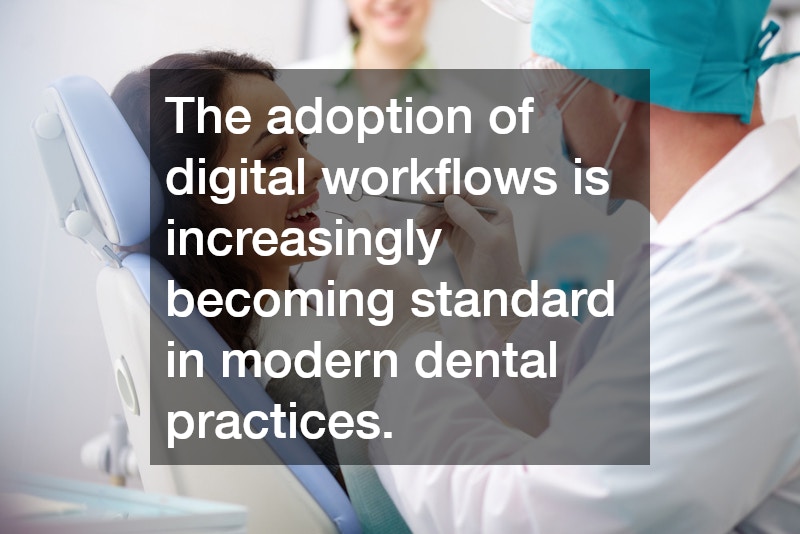
The adoption of digital workflows is increasingly becoming standard in modern dental practices. Cloud-based systems enhance the efficiency of scheduling, patient management, and treatment planning. Technology has reduced manual efforts, allowing dental professionals to focus more on patient care. The emergence of home-based dental devices, such as smart toothbrushes and oral irrigators, contributes significantly to preventive care, empowering patients to manage oral hygiene effectively. Finally, ongoing research and development in materials science continue to produce biocompatible materials that ensure better integration and longevity of dental restorations.
3. What should you consider when purchasing dental equipment?
Knowing the important factors that influence the choice of dental equipment can lead to better decisions for practices. One key consideration is the reliability and durability of the equipment, as frequent breakdowns can disrupt services and increase maintenance costs. Evaluating the equipment manufacturer’s reputation and service support can provide confidence in the quality of the tools. Furthermore, compatibility with existing systems and the possibility of future upgrades should be assessed to ensure a long-term investment. Regulatory compliance is another critical aspect since dental equipment must meet specific standards and certifications to be deemed safe and effective for clinical use.
Cost-effectiveness should be balanced with innovative features to provide the best return on investment. Financing options and warranty packages should be scrutinized to ensure the financial viability of new purchases. The usability of the equipment is fundamental, as tools that are intuitive and user-friendly can enhance workflow and reduce learning curves. Staff training is vital to maximize the potential of new technologies. Regularly scheduled maintenance services and technical support are components of the purchase decision to ensure continuous operation and avoid unexpected downtime.
By familiarizing yourself with these key aspects of dental equipment, you can enhance your understanding and approach to dental care. As dental technology continues to advance, staying informed about the latest equipment and innovations can lead to improved patient outcomes and more efficient practice operations. Both practitioners and patients benefit greatly from this knowledge, fostering a collaborative approach to dental health. In a dynamic field such as dentistry, embracing technological advancements and making informed purchasing decisions promotes growth and success. Ultimately, a well-equipped dental practice not only benefits the dental professionals but also provides a superior experience and healthier outcomes for patients.