Maintaining health and wellness requires a proactive approach, no matter your age. With a vast array of specialized services available, navigating the options can be overwhelming. From routine preventive care to specialized treatment programs, understanding what’s offered and how to access it empowers you to make the best decisions for yourself or your loved ones. This guide breaks down essential health and wellness services across all age groups, highlighting practical tips to optimize care and enhance quality of life.

Prioritize Routine Preventive Dental Care
Regular dental visits are foundational to long-term oral and overall health. Scheduling consistent check-ups allows professionals to identify problems early, preventing more serious complications later. During these visits, practitioners can provide dental exams and cleaning services that remove plaque buildup, detect cavities, and assess gum health. Integrating fluoride treatments or sealants can further protect teeth, while maintaining a balanced diet and proper at-home oral hygiene complements professional care. Families should establish a dental routine early to instill lifelong habits in children and ensure adults maintain optimal oral health.
Address Hair and Scalp Concerns Early
Hair thinning and loss can impact confidence and may signal underlying health conditions. Consulting hair loss specialists allows for a personalized assessment of causes, ranging from hormonal imbalances to stress or nutritional deficiencies. Early intervention improves the effectiveness of treatments, which may include topical solutions, lifestyle adjustments, or medical procedures. Maintaining a nutrient-rich diet, avoiding harsh hair treatments, and regularly monitoring scalp health can support natural hair growth. Guidance from experts ensures interventions are safe, evidence-based, and tailored to your individual needs.
Develop a Sustainable Weight Management Plan
Achieving and maintaining a healthy weight is a long-term commitment, requiring both lifestyle adjustments and professional guidance. Personalized plans can incorporate nutritional counseling, exercise regimens, and behavioral strategies designed to support gradual, sustainable progress. Individuals seeking assistance can explore programs that specialize in weight loss, offering tools to monitor food intake, track physical activity, and provide motivational support. Integrating these approaches with routine medical checkups ensures that weight management aligns with overall health goals, preventing metabolic or cardiovascular complications.

Evaluate Vascular Health and Circulation
Maintaining healthy blood vessels is crucial for preventing serious cardiovascular events. Regular screenings at vascular clinics can identify risks such as peripheral artery disease, aneurysms, or blood clots. Patients should learn the warning signs of circulation issues, including persistent leg pain, swelling, or discoloration, and seek timely evaluation. Lifestyle adjustments such as regular exercise, balanced nutrition, and smoking cessation enhance vascular health. Specialists may recommend interventions ranging from minimally invasive procedures to comprehensive treatment plans for chronic conditions, ensuring patients receive individualized care.
Improve Spinal Health and Mobility
Spinal alignment and musculoskeletal wellness play a pivotal role in overall quality of life. Engaging a chiropractor can help alleviate pain, correct posture issues, and promote mobility through targeted adjustments and therapeutic exercises. Integrating stretching routines, ergonomic modifications at work or home, and strength-building exercises can support spinal health outside clinical visits. Regular follow-ups with a chiropractic professional ensure progress is tracked, and treatment plans are adjusted to meet evolving needs, especially for those with chronic back pain or active lifestyles.
Support Aging in Place with Professional Assistance
For seniors who wish to maintain independence at home, accessing a high-quality home care service can provide essential support and peace of mind. Trained caregivers assist with daily activities such as bathing, meal preparation, medication management, and mobility support, while also offering companionship that helps reduce feelings of isolation. Families benefit from respite care options that reduce caregiver burnout while ensuring consistent, safe assistance. Choosing the right provider involves evaluating certifications, experience, and compatibility with individual needs, as well as reviewing references and care plans. Supplementing professional support with home modifications, like grab bars, adaptive devices, and improved lighting, further enhances safety, accessibility, and overall quality of life, allowing seniors to age comfortably and confidently in their own homes.

Supporting Seniors with Structured Living Options
As seniors’ needs evolve, transitioning to structured living environments can greatly enhance both safety and quality of life. Communities that provide adult assisted living are designed to support daily routines such as medication management, bathing, dressing, and meal preparation, while still promoting independence and personal choice. Many of these communities offer a variety of social and recreational activities, fitness programs, and communal meals that encourage engagement, foster friendships, and help residents maintain an active, fulfilling lifestyle.
When evaluating options, families should consider several key factors. Staffing levels and the training of caregivers directly impact the quality of care, ensuring that residents’ physical, emotional, and social needs are consistently met. Amenities such as fitness centers, outdoor spaces, libraries, or hobby rooms can support wellness and enhance everyday experiences. Access to medical support, including on-site nurses or visiting physicians, is essential for managing chronic conditions and emergencies. Families should also assess the community’s philosophy and approach to resident well-being, looking for programs that prioritize dignity, autonomy, and individualized attention.
Personalized care plans allow residents to receive support tailored to their specific needs, balancing assistance with independence. Flexible services ensure that care adapts as requirements change over time, reducing stress for both residents and family members. Social connections and meaningful engagement opportunities, through group outings, interest-based clubs, or volunteer programs, can combat loneliness and enhance mental health. Additionally, many communities offer educational workshops, fitness classes, and wellness programs to promote holistic health.
By thoughtfully selecting an assisted living community, families can ensure that their loved ones enjoy a safe, supportive, and vibrant environment that nurtures independence, encourages social interaction, and fosters overall well-being. This transition not only provides essential care but also empowers seniors to thrive, maintain meaningful routines, and continue living a fulfilling life in a welcoming, community-oriented setting.
Address Cognitive Health and Memory Support
Maintaining cognitive health is essential for quality of life, particularly as individuals age or face memory-related conditions such as dementia or Alzheimer’s disease. Early intervention is key, as timely assessment and structured support can slow cognitive decline and improve day-to-day functioning. To meet these needs, memory care facilities offer specialized environments designed to meet these needs, providing residents with safety, routine, and opportunities for mental stimulation. These facilities often incorporate therapeutic activities such as memory exercises, art therapy, music programs, and group engagement, all tailored to enhance cognitive function while promoting social interaction.
Choosing the right memory care facility requires careful consideration. Families should evaluate staff training and expertise, staff-to-resident ratios, safety measures, and the availability of personalized care plans. A facility that encourages community engagement and fosters meaningful interactions can significantly enhance residents’ emotional well-being, reducing feelings of isolation and anxiety. Structured schedules help residents maintain consistency, which can improve orientation and reduce confusion.
Supporting memory health at home complements professional care and helps individuals maintain independence for as long as possible. Activities such as puzzles, reading, social visits, light physical exercise, and conversation-based games stimulate cognitive function and help maintain neural pathways. Nutrition and sleep also play a vital role in brain health, and incorporating brain-boosting foods along with consistent rest can enhance the effectiveness of other interventions.
Families and caregivers can benefit from training and resources offered by memory care programs, enabling them to provide supportive environments at home. By combining professional care, therapeutic activities, and cognitive engagement, individuals can maintain mental sharpness, emotional balance, and a sense of autonomy, improving overall quality of life and fostering dignity at every stage of memory care.
Access Immediate Medical Support
Emergencies and unexpected health issues can arise at any time, and prompt care is essential to prevent complications and ensure proper recovery. For addressing minor injuries, sudden illnesses, and diagnostic needs that cannot wait for a scheduled appointment with a primary care provider, urgent care clinics serve as a vital resource. These clinics offer walk-in services, reducing wait times and providing timely attention for conditions such as sprains, minor fractures, flu symptoms, infections, cuts, and allergic reactions. Their extended hours, including evenings and weekends, make it easier for families to access care outside standard office hours, ensuring health concerns are addressed quickly and efficiently.
Understanding the scope of services provided by urgent care clinics is important for making informed decisions. Many clinics offer X-rays, lab tests, vaccinations, and prescription services in addition to immediate treatment for injuries and illnesses. Familiarizing yourself with the location and capabilities of nearby clinics can save valuable time in an emergency. While urgent care clinics are excellent for immediate, non-life-threatening issues, it is important to integrate these visits with regular primary care check-ups. Doing so ensures that medical histories, chronic conditions, and ongoing treatments are properly monitored, maintaining continuity of care and reducing the risk of overlooked complications.
Families can also use urgent care clinics as an educational opportunity. Healthcare providers often give guidance on managing symptoms at home, recognizing warning signs that require further medical attention, and preventing similar issues in the future. By combining accessibility, professional care, and integration with ongoing health management, urgent care clinics offer a reliable and efficient solution for navigating unexpected medical situations while safeguarding overall well-being.
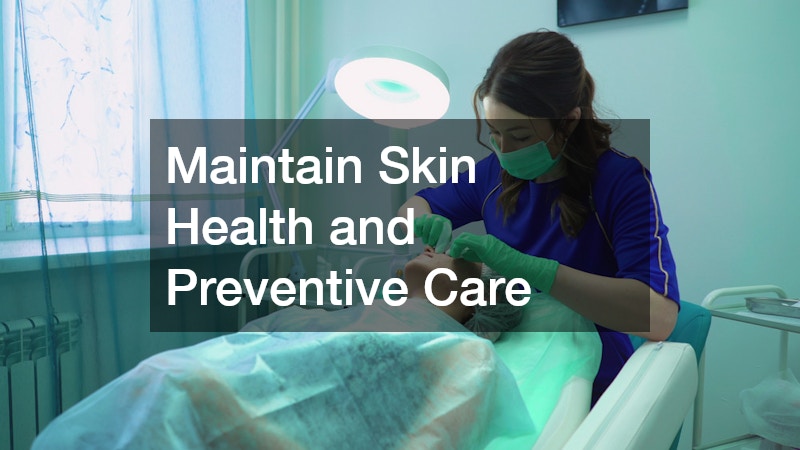
Maintain Skin Health and Preventive Care
Skin serves as the body’s first line of defense against infection, harmful UV rays, and environmental pollutants. Maintaining its health is not only essential for appearance but also for overall well-being, as many skin conditions can signal underlying health issues. Accessing dermatology care allows for early detection and effective management of common conditions such as eczema, acne, psoriasis, and potentially life-threatening issues like skin cancer. Regular evaluations with a dermatologist provide an opportunity to identify subtle changes in the skin that may otherwise go unnoticed, ensuring timely intervention.
Long-term skin health relies on a combination of professional guidance and daily habits. Patient education on sun protection, including the consistent use of broad-spectrum sunscreen, wearing protective clothing, and seeking shade, plays a pivotal role in preventing premature aging and reducing cancer risk. Hydration, a balanced diet rich in antioxidants, and gentle cleansing routines further support skin resilience and repair. Dermatologists may recommend treatments tailored to individual needs, from topical creams and prescription medications to advanced procedural interventions such as chemical peels, laser therapy, or minimally invasive cosmetic procedures.
Preventive strategies extend beyond treatment to proactive monitoring. Regular self-examinations, including checking moles, freckles, and other skin lesions for changes in size, color, or texture, complement professional evaluations. Early detection of suspicious lesions significantly increases treatment success and reduces long-term risks. Additionally, maintaining skin health can improve confidence and overall quality of life, reinforcing the connection between physical appearance and emotional well-being. By integrating professional dermatology care with consistent at-home habits, individuals of all ages can protect their skin, enhance its natural resilience, and enjoy the benefits of healthy, vibrant skin for years to come.
Health and wellness services span every stage of life, offering specialized support and preventive care tailored to individual needs. From childhood checkups and immunizations to adult preventive screenings and senior-focused programs, these services are designed to help people maintain optimal health at every age. Engaging proactively with healthcare providers allows individuals and families to identify potential concerns early, address risk factors, and implement strategies that prevent illness before it arises. Routine check-ups are not just about monitoring existing conditions; they are opportunities to receive guidance on nutrition, exercise, mental health, and lifestyle habits that contribute to long-term well-being.
Collaboration with qualified professionals, whether dentists, primary care physicians, physical therapists, or mental health counselors, ensures that care is both personalized and evidence-based. These experts provide insights that help people make informed decisions about treatments, interventions, and preventive measures. Integrating this professional guidance into daily routines, such as practicing proper oral hygiene, maintaining a balanced diet, engaging in regular physical activity, and managing stress, amplifies the benefits of care.
Moreover, as individuals age, their needs evolve. Children may require guidance on growth and development, adults may focus on chronic disease prevention or weight management, and seniors may benefit from cognitive support, mobility programs, and home care services. By thoughtfully exploring available health and wellness options and combining them with consistent, proactive habits, you can build a resilient foundation of comprehensive well-being that adapts seamlessly with changing life stages. This approach not only enhances physical health but also improves mental, emotional, and social quality of life, empowering individuals and families to thrive across every chapter of life.